
Washers are small, inexpensive components that play a critical role in every bolted joint. They distribute load, protect surfaces, reduce vibration loosening and help maintain clamp force over time. Yet many buyers specify washers without understanding the differences between flat, spring and lock washers. This guide explains each type, when to use it, and how to choose the correct size and material for your application.
Why Washers Matter in a Bolted Joint
A bolt tightened against a soft or rough surface can damage the material, lose preload or loosen under vibration. Washers solve these problems in three ways:
- Load distribution — a flat washer spreads clamping force over a larger area, protecting the workpiece surface.
- Spacing and alignment — washers fill tolerances and keep the bolt square to the surface.
- Vibration resistance — spring and lock washers add elasticity that maintains tension when the joint moves.
Flat Washers
Flat washers (plain washers) are the most common type. They are thin, annular discs with a central hole, made from carbon steel, stainless steel, brass or nylon. Their primary job is to spread the load of the nut or bolt head over a wider area, preventing damage to soft materials such as aluminium, plastic and wood.
Flat washers are specified to standards such as ISO 7089, ISO 7090, DIN 125, DIN 9021, ASME B18.22.1 and GB/T 97.1. When selecting, match the washer inner diameter to the bolt diameter, and choose an outer diameter large enough to distribute the load without overhanging the joint.
Spring Washers
Spring washers, including split (helical) washers, are designed to absorb vibration and prevent loosening. The helical split creates a spring effect that maintains tension between the nut and the bolt even when the joint is subjected to movement or shock.
Spring washers are typically made of spring steel with a hardened, tempered finish. Common standards include DIN 127, DIN 128, ASME B18.21.1 and GB/T 93. They are best used in applications with moderate vibration, such as motors, pumps, agricultural equipment and vehicle assemblies.
Lock Washers
Lock washers provide positive mechanical locking against rotation. The two main families are tooth lock washers (external or internal teeth that bite into both surfaces) and split lock washers. External tooth lock washers offer the strongest resistance and are common in electrical grounding applications because the teeth cut through paint and oxide layers.

How to Choose the Right Washer
Follow these practical rules when specifying washers:
- Use a flat washer under the nut and bolt head whenever the workpiece is soft, painted or load-bearing.
- Add a spring or lock washer when the joint will experience vibration, shock or temperature cycling.
- Match the washer material to the bolt material to avoid galvanic corrosion — for example, stainless bolts should use stainless washers.
- Choose the correct surface finish: zinc plated for indoor use, hot-dip galvanized for outdoor and corrosive environments.
- Consider hardened washers for high-strength bolts (grade 8.8 and above) to prevent embedding and loss of preload.
Sourcing Washers from Fastener Hall
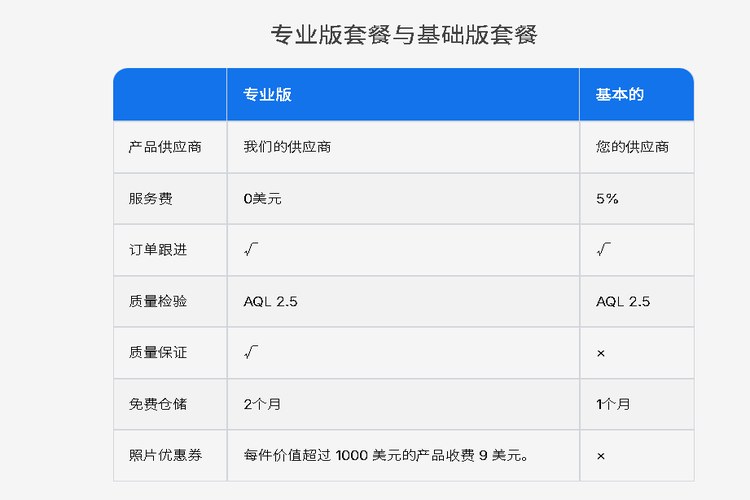
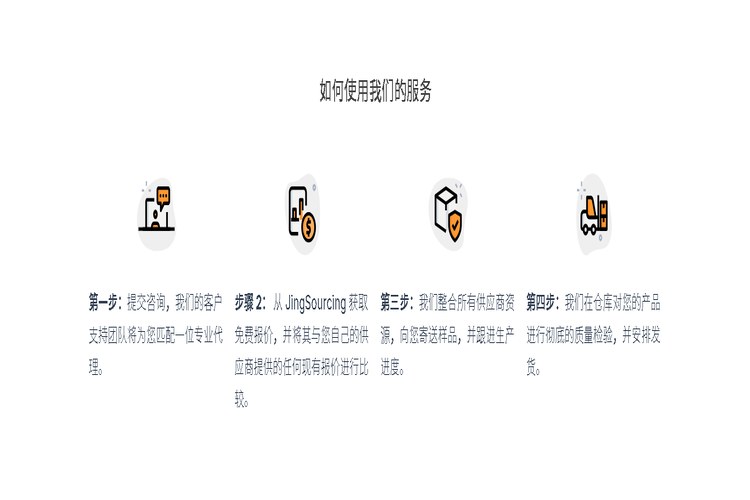
Fastener Hall connects you directly with certified washer and fastener factories in Yongnian, China. Browse our washers category, compare specifications and request samples before mass production. Our team supports ISO, DIN, ASME and GB standards with full inspection documentation.
Ready to order? Submit your inquiry through our RFQ page or contact us on WhatsApp — quotations are usually provided within 24 hours.