
Measuring a bolt correctly is the first step to specifying the right fastener — and one of the most common sources of ordering errors. A bolt is defined by its diameter, thread pitch, length, head style and strength grade. Each dimension must be measured precisely, because a mismatch of even a millimetre can make the bolt unusable. This guide shows you how to identify a bolt’s key dimensions using simple tools, and how to describe them accurately on purchase orders.
Bolt Anatomy: The Key Dimensions
Every bolt has four defining dimensions:
- Nominal diameter — the outer diameter of the threaded portion, measured across the thread crests.
- Thread pitch — the distance between adjacent threads (metric) or the number of threads per inch (imperial).
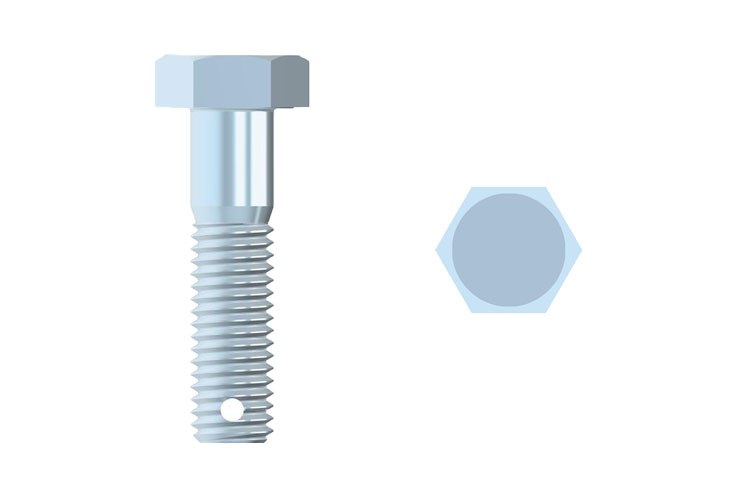
- Length — measured from the underside of the head to the end of the bolt (for most bolt types).
- Head size — the across-flats dimension for hex bolts, or the diameter for other head styles.
How to Measure Bolt Diameter
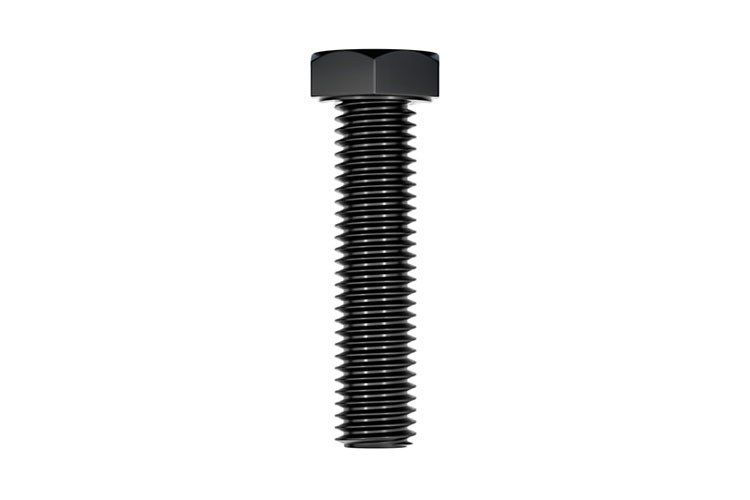
Use a digital caliper to measure the major diameter — the widest point across the threads. For a metric bolt, the reading should be close to a whole millimetre (e.g. 6.0 mm, 10.0 mm, 12.0 mm). For an imperial bolt, the reading will often be a fractional inch equivalent (e.g. 12.7 mm for 1/2-inch). Do not measure across a worn or rusty section of thread.
How to Measure Thread Pitch
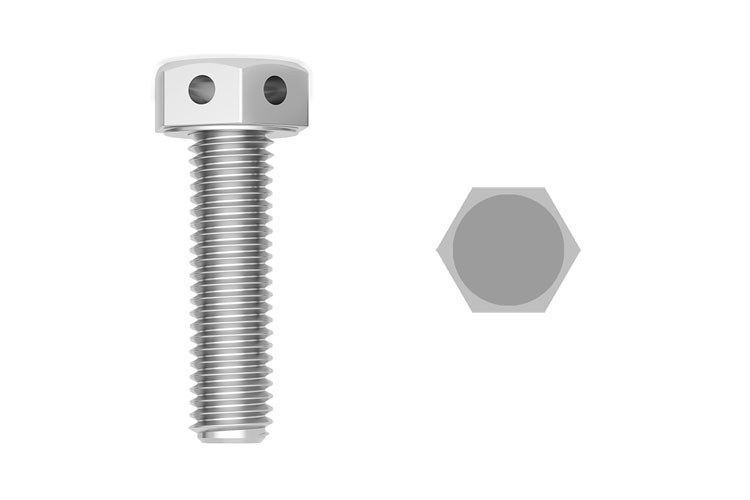
Thread pitch is measured with a thread pitch gauge. For metric threads, place the gauge against the thread profile and read the pitch in millimetres (e.g. 1.25 mm for M8 x 1.25). For imperial threads, count the number of threads in one inch of the threaded length (e.g. 13 TPI for 1/2-13 UNC). If no gauge is available, measure ten thread crests and divide by ten.
How to Measure Bolt Length
For standard bolts with a flat head, length is measured from the underside of the head to the end of the shank. For countersunk and flat-head bolts, length is measured from the top of the head to the end. Always confirm which method applies, especially for custom fasteners, to avoid ordering bolts that are too short or too long.
Identifying Strength Grades
Metric bolts carry strength class markings on the head, such as 4.8, 8.8, 10.9 or 12.9. The first number is the tensile strength in hundreds of megapascals; the second is the yield ratio. Imperial bolts use markings like 307A (low carbon), SAE J429 Grade 5 (three radial lines) and Grade 8 (six radial lines). Always match the grade to your design load requirements — using a lower grade than specified can lead to premature failure.
How to Describe a Bolt on Your Purchase Order
Use this format to avoid ambiguity: Bolt type — nominal diameter x pitch x length — material/grade — surface finish — standard. Example: Hex bolt M12 x 1.75 x 60 mm — carbon steel 8.8 — zinc plated — ISO 4014.
Sourcing the Right Bolts from Fastener Hall
Fastener Hall connects you with certified bolt factories in Yongnian, China. Browse our bolts category, explore hex bolts and carriage bolts, or find screws for your project. Send us your drawings or measurements and our engineers will confirm the correct specification and provide a quotation within 24 hours.
Start your inquiry on our RFQ page or contact us on WhatsApp.