

When sourcing fasteners internationally, one of the most common specification errors is confusing metric and imperial threads. A metric M12 bolt and an imperial 1/2-inch bolt may look similar, but their thread pitches, diameters and strength markings are completely different. Mixing them up can result in stripped threads, failed assemblies and costly rework. This guide explains the two systems, how to identify them, and how to specify fasteners correctly for global projects.
Understanding Metric Threads
Metric threads follow ISO 68 standards and are designated by the nominal diameter and pitch in millimetres. For example, M12 x 1.75 means a 12 mm nominal diameter with a 1.75 mm thread pitch. Metric threads are used in most countries worldwide, including China, Germany, France, Japan and across Europe.
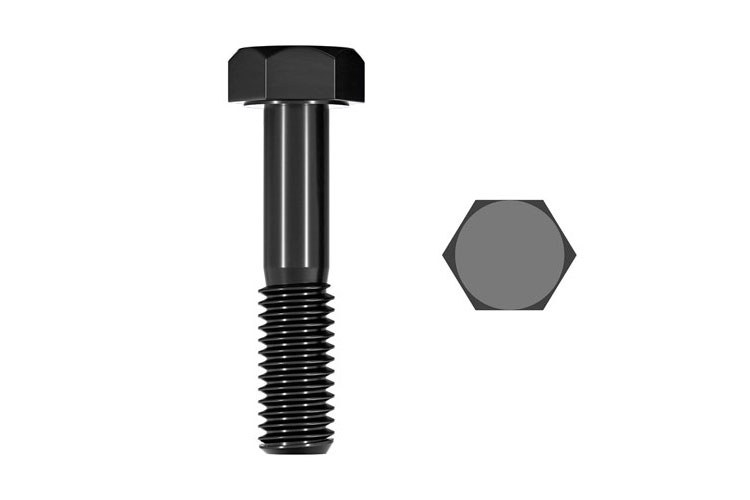
Common metric thread series include the coarse pitch (the default, e.g. M6 x 1.0) and fine pitch (e.g. M6 x 0.75), used where finer adjustment or better thread engagement is needed. Metric fastener standards are defined by ISO (ISO 4014, ISO 4017) and national derivatives such as DIN 931, DIN 933 and GB/T 5782.
Understanding Imperial Threads
Imperial threads are measured in inches and are dominated by the Unified Thread Standard (UTS), with designations such as UNC (Unified National Coarse) and UNF (Unified National Fine). A 1/2-13 UNC bolt, for example, has a 1/2-inch diameter with 13 threads per inch. Imperial fasteners are common in the United States, Canada and industries that follow US standards, such as oil and gas and aviation.
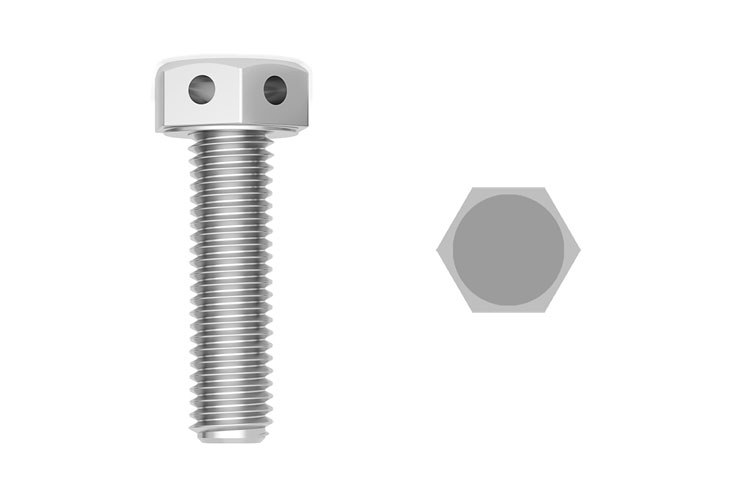
Imperial fastener standards are defined by ASME B18.2.1 (bolts), ASME B18.2.2 (nuts), SAE J429 and ASTM specifications. It is important to note that imperial sizes are nominal — a 1/2-inch bolt measures approximately 12.7 mm, which is not interchangeable with an M12 bolt.
Metric vs. Imperial: Key Differences
| Aspect | Metric | Imperial |
|---|---|---|
| Measurement | Millimetres | Inches |
| Pitch | mm per thread | Threads per inch (TPI) |
| Common series | Coarse (default), fine | UNC, UNF, UNEF |
| Standards | ISO, DIN, GB, JIS | ASME, SAE, ASTM |
| Main markets | China, Europe, Asia | USA, Canada, oil & gas |
| Interchangeability | Not interchangeable with imperial | Not interchangeable with metric |
How to Identify the Thread System
Before ordering, verify the thread system using these methods:
- Measure the diameter with a caliper. If it reads an even millimetre value (e.g. 6.0 mm, 10.0 mm, 12.0 mm), it is likely metric. If it reads 6.35 mm, 9.53 mm or 12.7 mm, it is imperial.
- Check the pitch with a thread pitch gauge. Metric pitch is expressed in millimetres; imperial pitch is counted in threads per inch.
- Look for markings — metric bolts may be marked with strength classes like 8.8 or 10.9, while imperial bolts use markings such as 307A or ASTM A325.
- Try a known nut — if a metric nut does not fit, try the imperial equivalent.
Sourcing Fasteners by Standard
At Fastener Hall, our supplier network produces to ISO standards, DIN standards, ASME standards, ASTM standards and GB standards. Tell us your required thread system and standard, and we will match the exact specification — whether metric M6 through M64 or imperial 1/4-inch through 2-inch.
Browse the full range of fasteners on our platform, or send your drawings to our RFQ page for a detailed quotation within 24 hours.