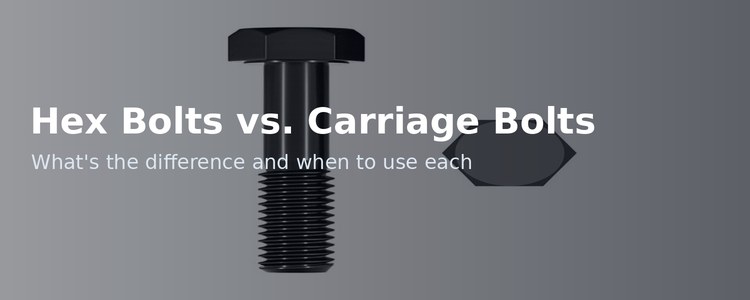


Nails and screws are both essential fasteners, but they hold materials together in fundamentally different ways. Nails rely on friction and shear strength, while screws use threads that cut into the material to generate clamping force. Choosing between them affects joint strength, installation speed, cost and how easily the connection can be taken apart. This guide compares nails and screws across key criteria and explains when each is the right choice.
How Nails Work
A nail is a straight metal pin with a head at one end, driven into material by impact. Nails hold primarily through friction and the compression of surrounding material. They excel in shear applications — where forces act sideways across the joint — and are extremely fast to install with a hammer or nail gun.
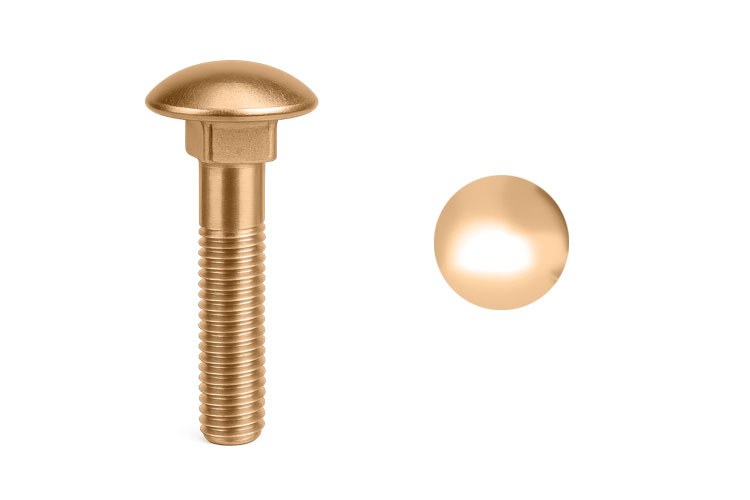
Nails are typically made from low-carbon steel wire, available in common, box, ring-shank, spiral and finishing styles. They are ideal for framing, sheathing, subflooring, crates, pallets and other applications where speed and economy matter more than pull-out resistance.
How Screws Work
A screw has helical threads that cut or form mating threads in the material as it is driven. This creates strong axial clamping force, holding the two parts tightly together. Screws provide much higher pull-out resistance than nails and can be removed and re-installed without losing effectiveness.
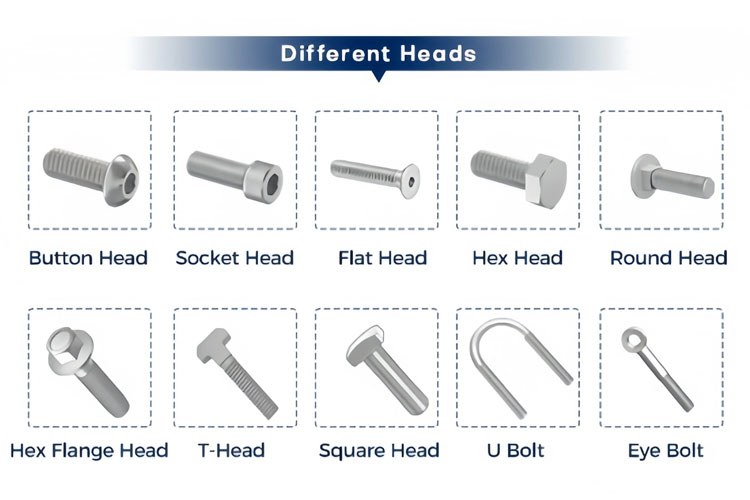
Common screw types include wood screws, self-tapping screws, machine screws and drywall screws, manufactured to standards such as ISO 4762 (socket head cap screws), DIN 7985, ASME B18.6.3 and GB/T 818. Screws are preferred for furniture, cabinetry, electrical fittings, metal fastening and any joint that may need disassembly.
Nails vs. Screws: Key Differences
| Criterion | Nails | Screws |
|---|---|---|
| Holding mechanism | Friction and shear | Threads and clamping force |
| Pull-out resistance | Lower | Much higher |
| Installation speed | Very fast | Slower, needs driver |
| Removability | Hard, damages material | Easy, reusable |
| Best for | Framing, sheathing, crates | Furniture, cabinetry, metal |
| Typical cost | Lower | Higher |
When to Use Nails
Choose nails when installation speed and shear strength are priorities and the joint does not need to be disassembled. Common examples:
- Framing and structural woodwork
- Sheathing, subflooring and roofing
- Pallets, crates and packaging
- Fencing and general construction
- Trim and finishing work (finish nails)
When to Use Screws
Choose screws when pull-out strength, precision or disassembly matter. Common examples:
- Furniture and cabinetry assembly
- Metal-to-metal and metal-to-wood fastening
- Electrical and mechanical equipment
- Applications exposed to vibration
- Any joint that may be repaired or upgraded later
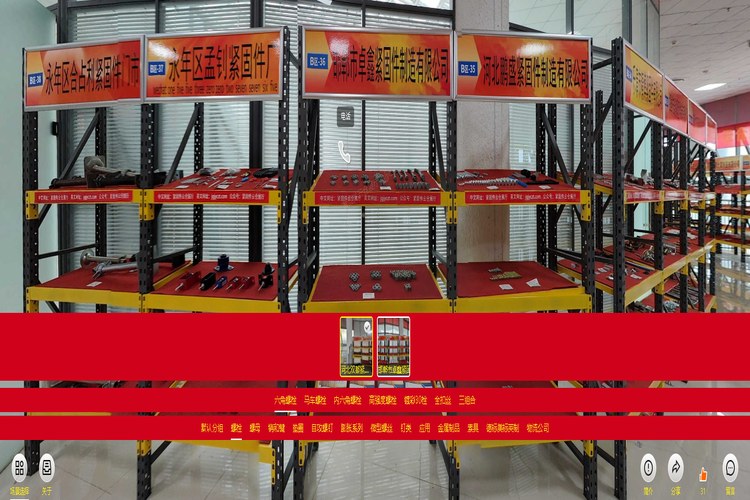
Sourcing Nails and Screws from Fastener Hall
Fastener Hall connects global buyers with certified fastener factories in Yongnian, China. Browse our nails and screws categories, compare suppliers and request samples before production. All products can be supplied with material certificates and third-party inspection reports.
Send your requirements through our RFQ page or contact us on WhatsApp — our team replies within 24 hours.